

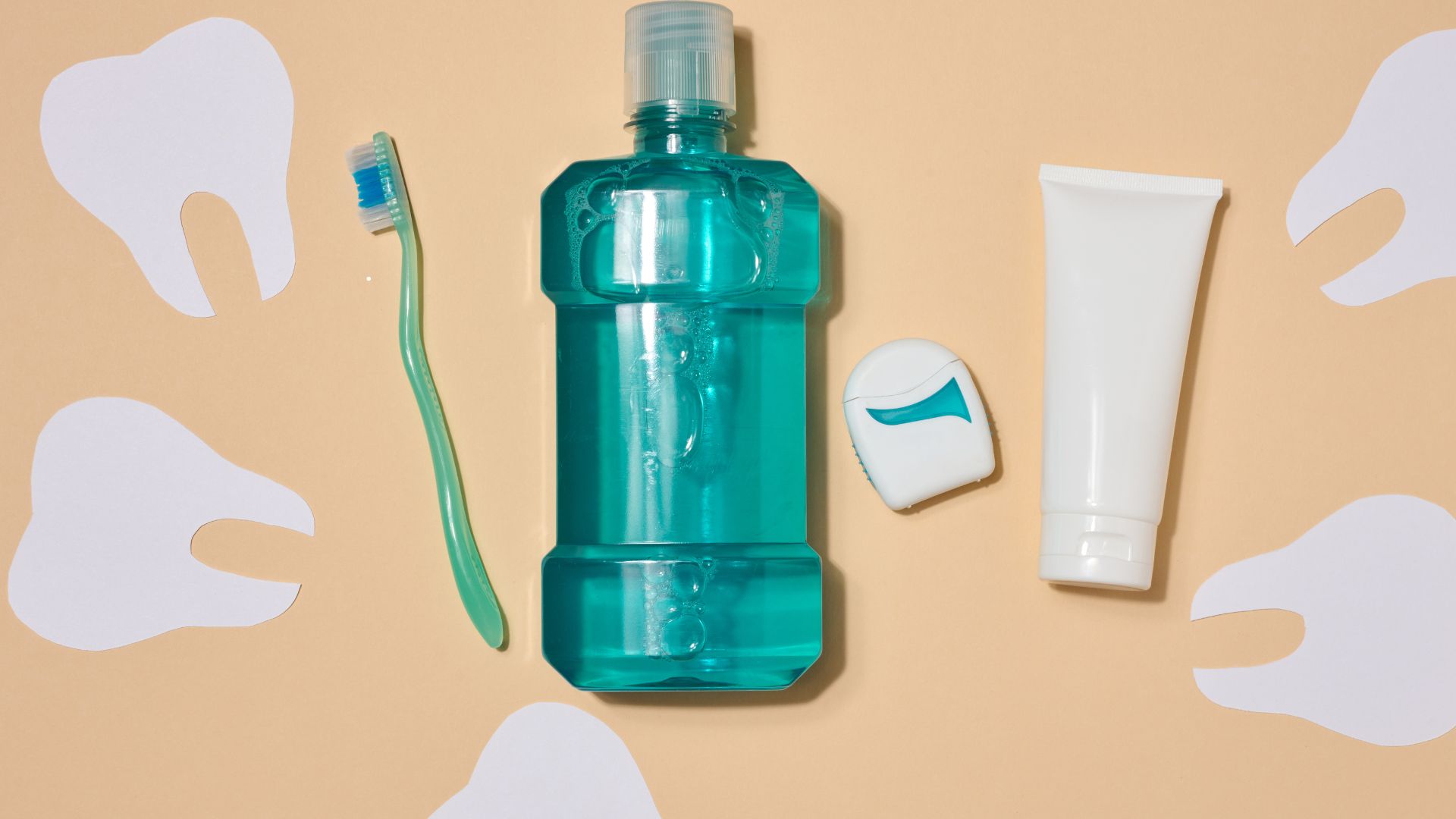
When you think about your daily oral hygiene routine, what comes to mind? For most people in London, it’s brushing twice a day and maybe flossing if they remember. But there’s one more step that often gets overlooked – mouthwash. In the UK, where dental health is a priority for many, maintaining a consistent daily routine isn’t just about avoiding cavities; it’s about protecting your overall well-being. As a dental hygienist, I can tell you that mouthwash plays a crucial role in keeping teeth strong and gums healthy. Let me walk you through why it matters, how we use it, and how you can make it work for you.
What Does a Dental Hygienist Do?
Before diving into mouthwash specifics, let’s talk about what a dental hygienist actually does. We’re the ones who deep clean your teeth during those regular check-ups, removing plaque and tartar buildup that even the best toothbrush can’t tackle. Beyond scaling and polishing, we also educate patients on preventing gum disease, reducing sensitivity, and maintaining fresh breath. Our ultimate goal is to help you develop habits at home – like proper brushing, flossing, and yes, using mouthwash – that keep your smile bright between visits.
The Role of Mouthwash in Oral Hygiene
So, what exactly does mouthwash do? Think of it as an extra layer of protection for your mouth. It kills bacteria that cause bad breath, reduces plaque formation, and strengthens enamel when formulated with fluoride. While it doesn’t replace brushing or flossing (more on this later), it complements these practices by reaching areas your toothbrush might miss.
In the UK, there are several types of mouthwashes tailored to different needs:
- Antibacterial mouthwashes, like Corsodyl, target gum disease by fighting harmful bacteria.
- Fluoride-based rinses, such as Colgate Total Pro Gum Health, strengthen enamel and prevent decay.
- Alcohol-free options, like Listerine Zero, are gentler and ideal for sensitive mouths or those prone to dryness.
Each type serves a unique purpose, so choosing the right one depends on your specific oral health needs.
How Dental Hygienists Use Mouthwash in Their Daily Routine
You might be wondering, “Do dental hygienists really use mouthwash every day?” The answer is yes – and here’s how we incorporate it into our routines:
- Morning Routine: After brushing and flossing, we swish with a fluoride mouthwash for 30 seconds to kickstart the day with cavity protection.
- Nighttime Routine: Before bed, after another round of brushing and flossing, we use an antibacterial rinse to combat overnight bacterial growth.
Our personal recommendations? Look for products backed by clinical research and suited to your individual needs. For example, if you struggle with gum inflammation, try an antibacterial formula. If sensitivity is an issue, opt for something alcohol-free.
From a professional standpoint, mouthwash not only helps maintain fresh breath but also supports long-term gum health – a key factor in preventing serious conditions like periodontitis.
Common Myths About Mouthwash
Let’s clear up some misconceptions about mouthwash that I hear all too often:
- “Mouthwash can replace brushing.” False! No matter how effective a rinse may be, it won’t physically remove food particles or plaque the way a toothbrush does.
- “All mouthwashes are the same.” Not true. Ingredients vary widely, so it’s essential to choose based on your needs rather than grabbing whatever’s on sale.
- “If it burns, it must be working.” Burning sensations often come from high alcohol content, which isn’t necessary for effectiveness. Many modern formulas are alcohol-free yet still highly efficient.
Understanding these myths ensures you get the most out of your oral care routine without falling for marketing gimmicks.
Choosing the Right Mouthwash for You
Selecting the perfect mouthwash starts with understanding your dental needs. Here’s a quick guide:
- For gum disease prevention: Antibacterial rinses like Corsodyl are excellent choices.
- For sensitivity: Alcohol-free options like Sensodyne Daily Care Mouthwash provide relief without irritation.
- For bad breath: Look for products containing zinc chloride, which neutralises odour-causing compounds.
- For tooth decay prevention: Fluoride-rich rinses like Colgate Total Pro Gum Health offer added enamel protection.
Some trusted brands available in the UK include Corsodyl, Listerine Zero, and CB12. Always check labels for fluoride content and ensure the product aligns with your dentist’s recommendations.
When to Avoid Mouthwash or Consult a Dental Hygienist
While mouthwash is beneficial for most, there are times when it’s best avoided or used under guidance:
- Open sores or wounds: Rinsing could irritate delicate tissues.
- Dry mouth: Alcohol-based formulas exacerbate dryness; switch to alcohol-free alternatives.
- Persistent issues: If you notice persistent bleeding gums, chronic bad breath, or other concerns, book an appointment with a hygienist. Regular cleanings every six months help catch problems early and keep your smile radiant
Expert Tips from a Dental Hygienist
To maximise the benefits of mouthwash, follow these pro tips:
- Don’t rinse immediately afterward. Let the active ingredients linger for maximum impact.
- Wait before eating or drinking. Give it 30 minutes to absorb fully into your enamel and gums.
- Clean your tongue. Pairing mouthwash with tongue scraping boosts freshness and eliminates lingering bacteria.
These small adjustments can make a big difference in your oral health journey.
Conclusion
Mouthwash isn’t just an optional add-on – it’s a vital component of a comprehensive oral hygiene routine. By incorporating it correctly, you’ll enjoy fresher breath, healthier gums, and stronger teeth. Remember, consistency is key, whether you’re brushing, flossing, or rinsing.
Ready to take your oral care to the next level? Book a professional dental cleaning with our expert dental hygienists in London today. Get personalised advice tailored to your unique needs and start smiling with confidence!
FAQs
Q1: Should I use mouthwash before or after brushing?
After brushing! This allows the active ingredients to remain on your teeth and gums longer.
Q2: Can mouthwash help with bleeding gums?
Yes, antibacterial mouthwashes can reduce inflammation and improve gum health over time.
Q3: How often should I use mouthwash daily?
Twice a day – once in the morning and once at night – is sufficient for most people.
Q4: Is alcohol-free mouthwash better for sensitive teeth?
Absolutely. Alcohol-free formulas are gentler and less likely to irritate sensitive areas.
Q5: Which mouthwash do dental hygienists recommend in the UK?
Corsodyl, Listerine Zero, and Colgate Total Pro Gum Health are popular choices among professionals.
