

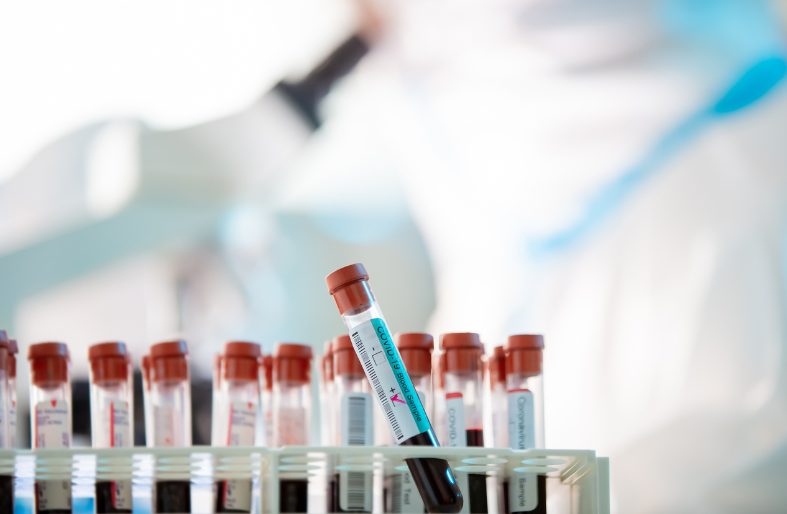
Routine blood tests are one of the most powerful tools in modern healthcare. They provide a clear snapshot of what’s happening inside your body — often revealing signs of illness long before symptoms appear. Whether you’re undergoing routine screening, managing a chronic condition, or exploring blood tests in london, understanding what each test evaluates can help you make informed decisions about your health.
Below are the top 10 common blood tests and exactly what they reveal about your wellbeing. Each test plays a unique role in diagnosing disease, monitoring health, and preventing future complications.
1. Full Blood Count (FBC) / Complete Blood Count (CBC)
One of the most frequently ordered tests, the full blood count measures the levels of red blood cells, white blood cells, haemoglobin, and platelets.
What this test can reveal:
- Anaemia
- Infection
- Immune system disorders
- Blood clotting problems
- Inflammation
An abnormal FBC result may indicate anything from iron deficiency to serious infections, making it a vital component of routine health screening.
2. Liver Function Test (LFT)
Your liver is responsible for detoxifying the body, producing essential proteins, and aiding digestion. Liver function tests evaluate enzyme levels, proteins, and bilirubin to check how well your liver is working.
What this test can reveal:
- Fatty liver disease
- Hepatitis
- Alcohol-related damage
- Medication side effects
- Bile duct problems
These tests are especially helpful for people with obesity, diabetes, or regular alcohol intake.
3. Kidney Function Test (KFT)
Your kidneys filter waste and excess fluids from your blood. Kidney Function Tests typically include creatinine, urea, and eGFR (estimated glomerular filtration rate).
What this test can reveal:
- Chronic kidney disease
- Dehydration
- Urinary tract issues
- High blood pressure complications
- Kidney inflammation
Kidney health often declines silently, so this test is essential for early detection.
4. Thyroid Function Test (TSH, T3, T4)
Your thyroid regulates metabolism, energy levels, weight, and mood. A thyroid function blood test measures hormones to detect hypo- or hyperthyroidism.
What this test can reveal:
- Underactive thyroid (hypothyroidism)
- Overactive thyroid (hyperthyroidism)
- Autoimmune thyroid disorders (e.g., Hashimoto’s, Graves’ disease)
Even subtle changes in thyroid levels can significantly affect your overall wellbeing.
5. Blood Glucose Test
This test measures the amount of glucose in your bloodstream, helping diagnose and manage diabetes.
What this test can reveal:
- Prediabetes
- Type 1 or Type 2 diabetes
- Insulin resistance
Early detection is crucial, as untreated high blood sugar can lead to nerve damage, kidney disease, and heart problems.
6. HbA1c Test
While a glucose test measures blood sugar at a single moment, the HbA1c test reflects your average blood sugar levels over the past 2–3 months.
What this test can reveal:
- Long-term glucose control
- Diabetes progression or improvement
- Effectiveness of lifestyle or medication changes
This test is essential for anyone living with or at risk of diabetes.
7. Lipid Profile (Cholesterol Test)
A lipid profile measures levels of HDL (“good” cholesterol), LDL (“bad” cholesterol), total cholesterol, and triglycerides.
What this test can reveal:
- Heart disease risk
- High cholesterol
- Pancreatitis risk
- Effects of diet and exercise
High cholesterol is one of the leading risk factors for heart attacks, so routine monitoring is important.
8. Iron Studies (Ferritin, Serum Iron, TIBC)
Iron levels influence energy, oxygen transport, and immune function. Iron profile tests are often included in routine blood test types.
What this test can reveal:
- Iron deficiency anaemia
- Iron overload (haemochromatosis)
- Chronic inflammation
- Malabsorption issues
Low ferritin is one of the most common nutritional deficiencies in the UK, especially among women.
9. Vitamin D Blood Test
Vitamin D is crucial for immunity, bone health, and mood regulation. Many people in the UK have low levels due to limited sunlight exposure.
What this test can reveal:
- Vitamin D deficiency
- Weak immune function
- Bone and muscle weakness
- Risk of osteoporosis
This simple test can reveal why you may be feeling fatigued, achy, or low in mood.
10. Electrolyte Panel (Sodium, Potassium, Chloride)
Electrolytes are minerals that regulate heart rhythm, hydration, nerve signalling, and muscle function.
What this test can reveal:
- Dehydration
- Kidney issues
- Hormonal disorders
- Acid–base imbalance
- Medication side effects
This test is vital for patients taking blood pressure medicines or diuretics.
How Often Should You Get Routine Blood Tests?
Health experts recommend a routine blood test once a year, but you may need more frequent testing if you:
- Have a chronic condition
- Are over 40
- Take certain medications
- Have symptoms such as fatigue, weight changes, or low mood
- Are at high risk for diabetes or heart disease
Regular testing helps identify health issues early — often before they become serious.
What Blood Tests Reveal About Your Overall Health
Together, these common blood tests can reveal:
- Organ health
- Nutritional deficiencies
- Infection and inflammation
- Hormone balance
- Risk of chronic disease
- Immune function
Blood tests uncover hidden issues and allow your doctor to create a personalised healthcare plan based on objective data.
Conclusion: Taking Control of Your Health Through Routine Testing
Routine blood tests remain one of the most effective ways to monitor, protect, and improve your health. Whether you’re checking cholesterol, liver function, thyroid levels, or vitamin deficiencies, understanding what blood tests reveal empowers you to take proactive steps toward better wellbeing.
If you’re looking for cheap private blood tests in London, you can contact here.
