

A landmark ruling for privacy rights
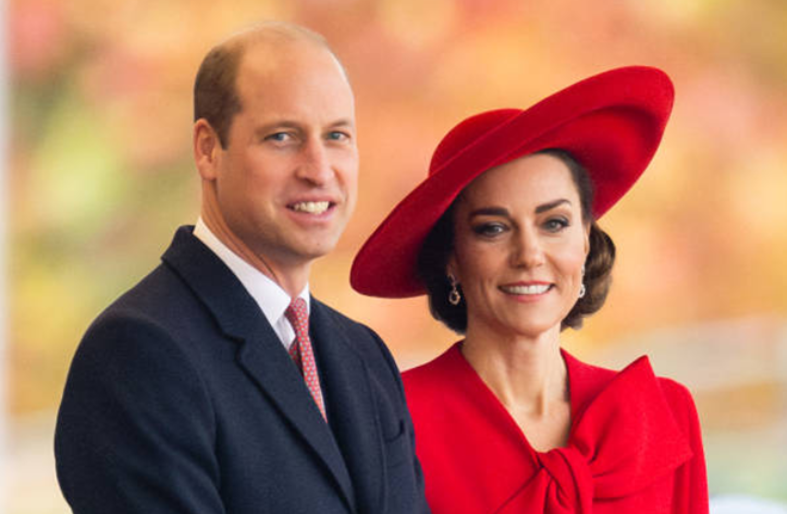
The Prince and Princess of Wales have won a significant privacy case in France against Paris Match magazine, following the magazine’s publication of intrusive photographs depicting their family whilst on holiday. The ruling marks an important step in the pair’s long-standing efforts to safeguard their private life from unauthorised media interference.
The French Courts haveruled that Paris Match seriously infringed the family’s privacy by publishing photographs of their skiing holiday in the French Alps,without their consent. The judgment, published formally within the magazine itself, states that the publication “infringed the respect due to their private life and the rights they have over their image.” A Kensington Palace spokesperson noted that the couple remain committed to protecting their private family time and ensuring that their children can grow up free from undue media scrutiny.
This decision underlines the continuing tension between public interest in high-profile figures and the right to privacy. This appliesboth underFrench and English & Welsh civil law, as signatories to the European Convention of Human Rights.
Intrusive photography and the court’s findings
The case concerns Paris Match’s unauthorised publication of long-lens photographs taken during the family’s private holiday in April this year. The images capture moments of the family both on the slopes and at their chalet, but, crucially, far from any public engagements. Their claim stated that the publication amounted to an unjustified intrusion into their personal lives.
In its judgment, the Court has found that there was no public interest justification for the photographs. It has concluded that the images were captured in an intrusive manner and therefore represent a serious and unlawful interference with the family’s right to privacy. The Court ordered the magazine to publish a public acknowledgment of the privacy breach and to pay the Claimants’ legal costs. The public acknowledgement (published on 30 October) features in a recent issue of the publication, serving as an official recognition of the unlawful intrusion.
Balancing press freedom and privacy
Though this action was pursued in the French Courts, the same balancing act applies as in the English & Welsh Courts, in that press freedom, protected under Article 10 of the European Convention on Human Rights, must be weighed against an individual’s right to respect for private life under Article 8. Such a test was firmly established in the English & Welsh Court’s through the seminal case of Campbell v. MGN [2004]. In the French case, the French court reiterated that public status does not simply eliminate the entitlement to privacy. This is especially so when minors are concerned.
The judgment underscores that even prominent figures, such as members of the Royal Family, are entitled to enjoy family life without constant surveillance. To depose individuals of this right, would require at the very least, a legitimate public interest in doing so. Further, whilst the right to private life does not necessarily automatically protect an individual from privately enjoying leisurely activities, and claimants are expected to “adopt a reasonably robust and realistic approach to living in the 21st century” (not leastin theworld of ubiquitous smartphones and digital cameras), it would be difficult to apply such a justification to the use of long lens cameras capturing a family holiday involving three minor children.
Upholding privacy in modern media
The case’s outcome not only delivers personal vindication for the Prince and Princess of Wales but also sets a persuasive precedent for privacy protection more broadly. It highlights the necessity of maintaining ethical standards in journalism and respecting legal boundaries in pursuit of public interest stories. This is not the first time the pair have gone to the courts to protect their privacy. In 2012, the Princess brought a claim (also in the French courts) against the magazine Closer, for publishing topless photographs of her. Likewise, the Prince settled an action against News Group Newspapers in relation to claims of phone-hacking and unlawful instructions of private investigators. These cases send a clear message that the pair will fight to protect their privacy.
Contact us
If you believe your privacy has been breached and would like to seek compensation, please contact us here for a free, no obligation consultation. Taylor Hampton are experts in the field of privacy, defamation and data protection law, and are responsible for spearheading the phone-hacking litigations against major newspapers, including the seminal case of Gulati v. MGN [2015] which resulted in a threefold increase in damages in privacy law claims.
