

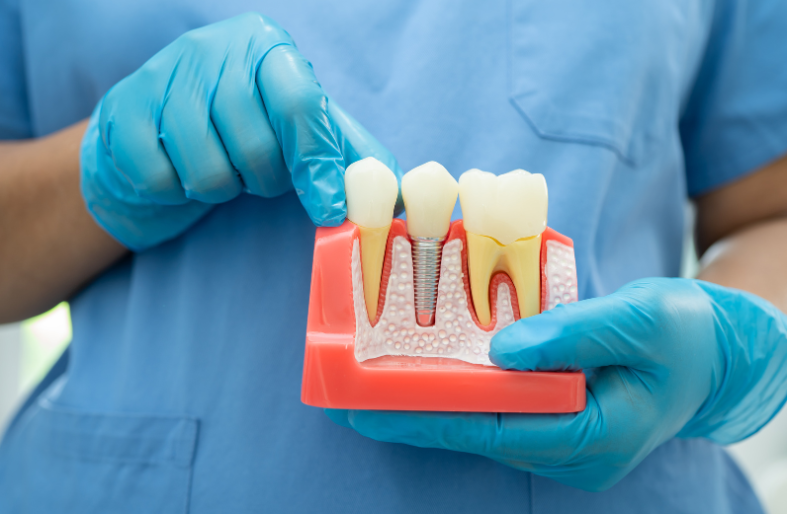
Dental implants are widely regarded as one of the most effective and long-lasting solutions for missing teeth. They restore function, improve appearance, and help preserve jawbone health. However, like any surgical procedure, implants are not entirely risk-free. Understanding common dental implant problems and knowing how to prevent them can significantly increase the success of your treatment.
This guide explains the most frequent dental implant complications, why they occur, warning signs to watch for, and—most importantly—how patients can reduce risks with proper planning, care, and professional support.
Understanding Dental Implants and Why Problems Occur
A dental implant consists of three main components:
- A titanium implant post placed in the jawbone
- An abutment that connects the post to the crown
- A custom dental crown that mimics a natural tooth
The success of implants depends on a process called osseointegration, where the implant fuses with the bone. When this process is disrupted, dental implant problems can arise.
Problems may occur due to:
- Poor bone quality or volume
- Gum disease
- Inadequate oral hygiene
- Smoking
- Poor surgical planning or technique
Understanding these factors is the first step toward prevention.
Dental Implant Infection (Peri-Implantitis)
One of the most common dental implant complications is peri-implantitis, a bacterial infection affecting the gum and bone around the implant.
Symptoms:
- Swollen or bleeding gums
- Persistent bad breath
- Pain or discomfort around the implant
- Bone loss visible on X-rays
How to Avoid It:
- Maintain excellent oral hygiene
- Attend regular dental check-ups
- Avoid smoking
- Follow post-surgical care instructions carefully
Early detection is critical. Left untreated, infection is a leading cause of dental implant failure.
Failure of Osseointegration
Osseointegration failure occurs when the implant does not properly fuse with the jawbone. This is one of the most serious problems with dental implants.
Causes:
- Insufficient bone density
- Excessive pressure on the implant
- Poor surgical placement
- Underlying health conditions
Warning Signs:
- Implant mobility
- Persistent pain
- Inflammation that does not subside
Prevention:
- Thorough pre-treatment assessment
- Bone grafting when necessary
- Choosing an experienced implant specialist
Patients considering dental implants in London should ensure their clinic uses advanced imaging and planning technology to reduce this risk.
Nerve Damage
Nerve injury is a less common but serious dental implant issue, usually caused by improper implant placement.
Symptoms:
- Tingling or numbness in lips, chin, or tongue
- Pain or burning sensations
How to Avoid It:
- Detailed 3D scans before surgery
- Precise implant positioning
- Experienced surgical expertise
Reputable implant providers take extensive precautions to prevent nerve-related dental implant risks.
Sinus Problems (Upper Jaw Implants)
For implants placed in the upper jaw, sinus complications can occur if the implant protrudes into the sinus cavity.
Signs:
- Sinus pressure or pain
- Chronic sinus infections
- Nasal congestion following surgery
Prevention:
- Sinus lift procedures when required
- Accurate pre-surgical imaging
- Proper case selection
This highlights the importance of customized treatment planning rather than a one-size-fits-all approach.
Gum Recession Around Dental Implants
Gum recession exposes the implant surface and can compromise both aesthetics and stability.
Causes:
- Thin gum tissue
- Poor oral hygiene
- Aggressive brushing
- Improper implant positioning
How to Avoid It:
- Gentle brushing techniques
- Professional cleanings
- Soft tissue grafting when necessary
Healthy gums are essential for long-term implant success.
Loose or Broken Implant Components
Sometimes, issues arise not with the implant post itself, but with the abutment or crown.
Common Issues:
- Loose implant crowns
- Fractured crowns
- Worn components
Prevention:
- Proper bite alignment
- High-quality restorative materials
- Regular dental evaluations
These dental implant problems years later are often preventable with ongoing care.
Persistent Pain After Dental Implant Surgery
Some discomfort is normal after surgery, but prolonged pain may indicate an underlying issue.
Possible Causes:
- Infection
- Nerve irritation
- Excessive bite pressure
When to Seek Help:
- Pain lasting longer than expected
- Pain worsening over time
- Pain accompanied by swelling or fever
Understanding the difference between normal healing and dental implant pain after procedure is essential.
How to Avoid Dental Implant Problems Altogether
Prevention starts long before the implant is placed. Here are proven strategies to minimize dental implant complications and prevention risks:
Choose the Right Specialist
Experience matters. Implant dentistry requires surgical precision, prosthetic expertise, and long-term planning.
Commit to Excellent Oral Hygiene
Brush twice daily, floss regularly, and use antibacterial mouthwash.
Follow Post-Operative Instructions
Diet restrictions, medication adherence, and rest are critical during healing.
Avoid Smoking and Excessive Alcohol
Smoking significantly increases the risk of implant failure.
Schedule Regular Follow-Ups
Routine monitoring helps detect problems early before they become severe.
Are Dental Implants Safe Long-Term?
When properly planned and maintained, dental implants have a success rate of over 95%. Most common problems with dental implants are preventable with:
- Accurate diagnosis
- Skilled surgical placement
- Patient compliance
Education and proactive care are the strongest safeguards.
When to See a Dentist Immediately
Contact your dentist if you notice:
- Bleeding or pus around the implant
- Implant movement
- Severe or persistent pain
- Swelling that does not improve
Prompt action can often save an implant.
Final Thoughts
Dental implants are a reliable and transformative solution, but awareness of common dental implant problems empowers patients to make better decisions and protect their oral health. Prevention begins with choosing the right clinic, following professional guidance, and committing to long-term care.
If you are considering treatment or experiencing implant-related concerns, working with a trusted dental implants clinic in London is essential for safe, effective, and lasting results. Learn more about expert implant care by visiting a trusted dental implants clinic in London that prioritizes precision, patient safety, and long-term success.
